
Podcasting isn’t broken—it’s maturing. Audiences still make time for voices they trust; the margin for error just got thinner. Discovery is fragmented (feeds + YouTube + shorts), and inconsistency is costly. Durable shows pair clear editorial intent with reliable production and packaging. That’s the bar.
This guide answers the first question many teams ask: “Where should we start, and how do we set up a process we can actually keep up with?” It gives you a simple blueprint you can execute next week—without overbuilding.
1) Make a promise you can keep (and feel in every episode)
Your show isn’t “about” everything. It earns a slot in someone’s week because it reliably delivers one result for a specific listener. State that result in one line and pressure-test it with example episodes. Shows that last are built on focus and cadence, not volume.
Do this (15 minutes)
Write your one-line promise: “This show helps [audience] [outcome] by [approach].”
List 6 episode ideas that deliver that promise—no guests needed to start.
Pick a cadence you can sustain for 12 weeks (weekly or biweekly).
🏁 Checkpoint: If you can’t describe the promise in one breath, it’s too wide.
2) Pick a format you can sustain (and that travels)
Your format should fit your capacity and translate to discovery surfaces—full episodes for feeds/YouTube, and short, intentional clips for reels/shorts. Here are your options, at a glance:
Solo or co-hosted: lowest coordination, fastest to ship.
Interview: great leverage, higher logistics burden.
Narrative/hybrid: highest craft, highest prep/edit.
Take 20 minutes this exercise:
Choose one primary format for the first 6 episodes.
Set target length (e.g., 18–28 minutes) and a simple segment map: cold open → 3 beats → recap → CTA.
Pre-define 3 “clip moments” you will create each episode (a bold claim, a list, or a transformation moment).
3) Choose a minimum-friction kit (skip the rabbit holes)
You don’t need a studio to sound professional, just the right constraints. In the early weeks, logistics (not ideas) kill momentum. Keep it light and repeatable.
Starter kit
Dynamic USB/XLR mic + closed-back headphones.
Boom arm + pop filter; optional portable panels/blankets.
Recording app with local backup enabled (always record a safety).
Room & mic notes
Quiet room. Mic 2–3" from your mouth, 10–15° off-axis to tame plosives.
If remote, send guests a 1-page tech check + consent + backup plan.
4) Run a sustainable recording day (batch, don’t binge)
Where teams stall: guest wrangling, room tone, file sprawl, and notes. Solve it with a producer-style checklist—even if you’re solo. During sessions, your only job is the conversation; production guardrails keep quality up.
Two-hour template
:30 Preflight — agenda, levels, clip moments, pronunciations.
1:00 Record — mark good clip timestamps as you go.
:30 Wrap — filenames, backups, thumbnail ideas, top quote.
File hygiene
Use a consistent scheme:
2026-02-10_show-ep03_guest-last-first_v1.wav.
5) Edit for clarity, not perfection (package for where people are)
Post-production protects your voice and your time. Aim for audible clarity and watchable cuts, then package deliverables for where listeners actually are: feeds, YouTube, and discovery assets (shorts, captions, thumbnails, pull-quotes).
90-minute edit pass
Structure — cut tangents; tighten the arc.
Clarity — remove only distracting ums/mouth noise; fix obvious stumbles.
Level — normalize to broadcast-safe loudness; export WAV master + MP3.
Packaging checklist
Title that sells the outcome: “Outcome | Topic with Guest.”
150-word description with plain-language keywords.
Thumbnail text ≤6 words; add chapter markers on YouTube.
6) Publish everywhere your audience actually listens (with a plan)
Be present in podcast apps and on YouTube; use clips to open side doors into the episode. A missed week can send loyal listeners elsewhere—so make consistency your default.
Release SOP
Host + RSS set; submit to Apple/Spotify.
Upload full video to YouTube with chapters and the same title pattern.
Publish 2–3 shorts/reels from your pre-planned clip moments within 72 hours.
Post show notes on your site (headings, links, transcript).
Send a short newsletter and pin your social post day-of.
7) Protect the cadence (the real moat)
Durable shows earn a spot in the week by showing up on schedule—and sounding great—over time. Build a small operating system that makes that inevitable.
Weekly rhythm
Tue (90m): outline and questions.
Thu (2h): record (batch two if possible).
Mon (2h): edit, package, schedule.
Friday (15m): retro—what to stop/start/continue.
Red-flags & resets
Red flag = you miss a blocked slot or the edit overruns by 20%.
Reset = drop one optional segment next week to keep the ship date.
Your Start-Right Deliverables (save this)
One-line Show Promise
Format Spec (segment map, target length, clip moments)
6-episode starter list
Recording Day Checklist (preflight → record → wrap)
Edit & Packaging SOP (90-minute pass + title/thumbnail checklist)
Release SOP (apps + YouTube + shorts + notes + newsletter)
Action Items (you can finish these this week)
Write your one-line promise and 6 episode ideas.
Pick a format and set a segment map with 3 planned clip moments.
Assemble the starter kit; print the recording day checklist.
Record your trailer + Episode 1 in one session; mark clip timestamps as you go.
Run the 90-minute edit, package assets, and follow the Release SOP.
Membership CTA
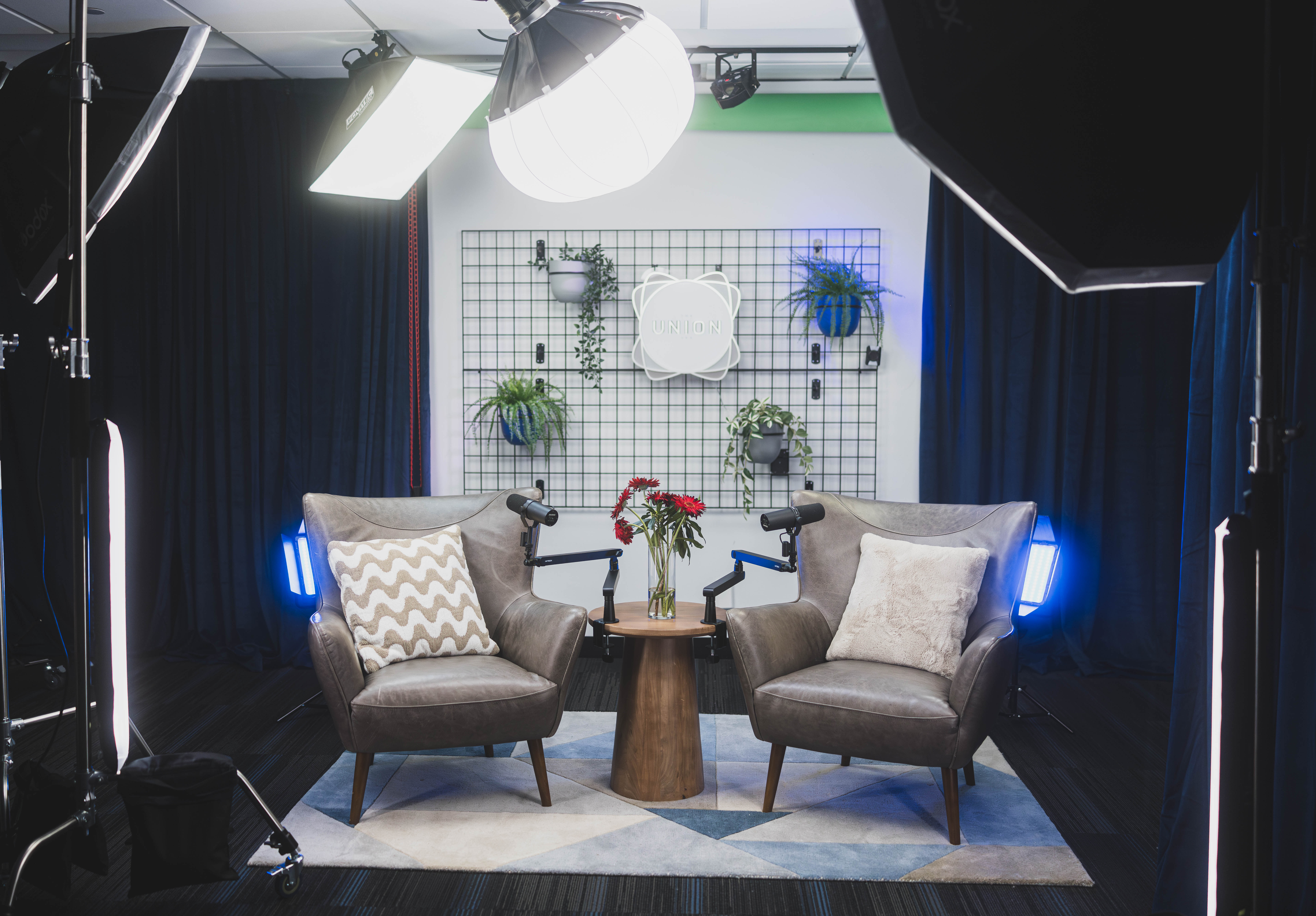
If you want a producer watching levels, a treated room, and a post team that packages your show for feeds and YouTube—so consistency becomes your default—apply for Membership at The Union. Members get priority studio time, quick-turn producer support, as well as templates and office hours that keep you on schedule.