Podcasting
·
Oct 15, 2026
Who Is Your Podcast Really For? Finding Your Listener and Niche

Arif Gursel
Founder

In Part 1, we met Tasha, an illustrative example we'll follow through this whole series. She teaches middle school science in Rainier Valley, and she landed on a working concept for a podcast: each episode answers one real question a kid asked, made for the parents of curious kids. It's a good idea. It also raises a harder question, one that decides whether anyone ever finds the show: who, exactly, is this for?
"Parents" is millions of people with wildly different lives. A parent of a toddler, a parent of a 14-year-old, and a grandparent raising a 9-year-old all want different things from a show. This post walks you through how Tasha narrows that audience into one specific listener, maps what that listener struggles with, and positions her podcast to own a lane. You'll do the same for your idea by the end.
Why a narrow niche makes your show findable and loyal
New podcasters often fear that narrowing down shrinks their potential audience. In practice, it works the other way. Here's why.
Findability
Podcast apps are crowded. Directories list millions of shows, though only a fraction publish regularly (the exact figures shift constantly, so treat any number you read as a snapshot). When someone searches Apple Podcasts or Spotify, the results lean heavily on your show title, description and episode titles. A show described as "a podcast for parents" competes with everything. A show described as "science answers to the real questions your 8 to 12-year-old asks" matches a specific search and a specific need.
Categories work the same way. Apple Podcasts uses a set of categories and subcategories (Kids & Family, with subcategories such as Parenting and Education for Kids, plus a separate Science category). Spotify and other apps organize differently, and these structures change over time. You can only pick a primary category and usually one or two secondary ones, so knowing your listener tells you where to sit.
Loyalty
Listeners subscribe when a show feels made for them. If someone hears an episode and thinks "that is my kid, that is my dinner table," they come back. Word of mouth follows the same logic: people recommend shows to friends who share their situation. A specific show gives listeners an easy sentence to pass along.
The goal is to be the obvious choice for a smaller group instead of a forgettable option for everyone. You can always widen later. It is much harder to sharpen a vague show after it launches.
Define one specific listener
Start by describing a single person. Marketers call this a listener persona or avatar. You aren't excluding everyone else; you're giving yourself one person to picture when you plan, write and record.
Situation beats demographics
Age, gender and income are useful, but they don't tell you what someone needs. Focus on situation: what is happening in this person's life that makes your show valuable right now? Capture these details:
Who they are: role, life stage, rough age range, where they live.
Their situation: the specific circumstance that connects them to your topic.
When they listen: commute, school drop-off, dishes, workouts. This affects episode length later.
What they already know: beginner, informed, expert. This sets your vocabulary.
What they want to feel after an episode: confident, entertained, less alone, ready to act.
What they already listen to, watch or read: this hints at your competition and your tone.
Tasha's first draft
Tasha's first pass said: "Parents who want their kids to love science." Too broad. After an evening with a notebook, her second draft looked like this:
"Maya is a working parent in her late 30s with a 9-year-old who asks 'why' about everything: why the sky changes color, why ice floats, why the cat's eyes glow. Maya didn't love science in school and often freezes or says 'look it up.' She listens on her commute and while making dinner. She wants to give real answers without feeling dumb, and she'd love a way to turn those questions into a five-minute conversation at bedtime."
Notice how much easier it is to plan an episode for Maya than for "parents." Tasha now knows the age range of the kids (roughly 8 to 12), the listener's confidence level (low in science, high in caring), and the moment the show fits into (the drive and the dinner rush).
One tip: Tasha's persona describes Maya, the parent, even though the questions come from kids. Decide early who your listener is and who your subject is. They're often different people.
Map your listener's pain points
A pain point is a problem, frustration or unmet want your listener has around your topic. Shows that solve a real pain point earn a regular spot in someone's week. Shows that only express the host's interests tend to stall.
The four-column pain point map
Grab a page and make four columns:
The moment: when does the problem show up? ("My kid asks a science question at dinner.")
The frustration: what does it feel like? ("I don't know the answer and I feel embarrassed.")
What they've tried: ("Googling it, which leads to confusing articles or videos I have to screen first.")
Their exact words: how would they describe it to a friend? ("I want to be the parent who actually knows stuff.")
That last column matters more than it looks. The words your listeners use become your episode titles, your show description and your social captions. If parents say "my kid's endless why questions," that phrase beats "fostering scientific inquiry" every time, both for search and for connection.
Tasha's map, condensed
Bedtime questions she can't answer, leading to guilt about shutting curiosity down.
Worry that her kid is falling behind in science, with no idea how to help at home.
Screen-time fatigue: she wants something audio-first that doesn't add another screen.
Limited time: she can spare 15 to 20 minutes, not an hour.
Each row is a potential series theme, a format decision or a promise in the show description. Tasha's map already tells her the show should be short, confident and conversational, with a takeaway a parent can repeat at home.
Go talk to real people (this is where The Union helps)
Here's the uncomfortable truth: your first persona and pain point map are guesses. Good guesses, but guesses. The fastest way to sharpen them is to talk to people who match your listener. Most beginners skip this. Don't.
Where to find your people
Tasha has a built-in pool: parents at her school. But she also wants voices beyond her own classroom, and this is where The Union becomes useful infrastructure, even before she records anything.
The Union is a nonprofit community, coworking and creative media production space in downtown Seattle, built for educators, entrepreneurs, artists and creatives. That means the space is shared by a community of local entrepreneurs, artists, educators and creators. Tasha's approach:
Events and programming: The Union hosts workshops, webinars, community programming and larger events. Tasha attends a few, introduces her idea in one sentence, and asks parents if they'd give her 15 minutes for a quick interview.
Community conversations: The Commune on the 20th floor, with its kitchen and lounges, is a natural spot for casual conversations with members who fit her listener profile or know someone who does.
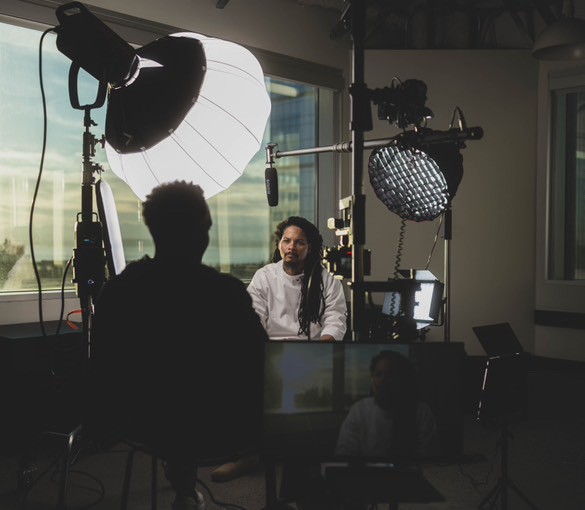
A place to interview: Office spaces and meeting rooms on the 20th floor are available first come, first served for calls and small group meetings, so she can run interviews in person or by video without background noise from home.
Outdoor options: For parents who'd rather bring a kid along, the Plaza Garden's picnic tables and the Upper Plaza outdoor meeting areas offer an outdoor alternative.
The Union's CoMmunity membership ($50/month, no sign-up fee, cancel anytime) includes digital communications, VIP event access, discounted meeting space and discounted consultations. For someone in Tasha's stage, researching before recording, that's a low-commitment way into the room where these conversations happen.
A simple interview script
Aim for five to ten conversations of about 15 minutes each. Ask open questions and listen more than you talk:
"Tell me about the last time your kid asked you a question you couldn't answer. What happened?"
"What did you do next? How did that feel?"
"Where do you go now when you need an answer?"
"What podcasts, shows or channels do you already listen to? Why those?"
"When in your week would you actually listen to something like this?"
"If a show solved this perfectly, what would it sound like?"
Write down exact phrases. Resist pitching your show during the interview; you're there to learn, and pitching makes people polite instead of honest.
Add a short survey
After interviews, a five to seven question survey (any free form tool works) helps you check whether patterns hold across more people. Keep it under three minutes. Include one or two multiple-choice questions (listening time, kid's age) and one open question ("What's the best question your kid has ever asked you?"). Tasha's open question doubles as episode research: the answers become her first season's question bank.
If this stage feels fuzzy, it's exactly where a strategy conversation pays off. The Union's content strategy service includes audience targeting and research, brand strategy, voice, tone and messaging, and producer research. An experienced producer can look at your persona draft and help you spot gaps you might not notice on your own. You can see the full list on the services page.
Position your podcast to own a lane
Once you know who you're serving and what they need, positioning is how you describe your show so it's clearly different from everything nearby.
Scan the competition
Search your podcast apps using the exact phrases from your interviews. Listen to at least three episodes from five shows that come up. For each, note:
Who it's really for (kids, parents, teachers, science fans).
Episode length and how often it publishes (and whether it still does).
Tone: silly, academic, cozy, fast-paced.
What listeners praise or complain about in reviews.
Tasha finds plenty of excellent science shows made for kids to listen to directly, and plenty of parenting shows about behavior and routines. She finds far fewer built for the parent who wants to answer their own kid's question confidently. That gap is her lane.
Write a positioning statement
Use this fill-in-the-blank template:
"[Show name] is a podcast for [specific listener] who [situation or pain point]. Each episode [what you deliver] so they can [outcome]. Unlike [what's already out there], we [your difference]."
Tasha's version: "For parents of curious 8 to 12-year-olds who freeze when the 'why' questions start. Each episode answers one real question a kid asked, in under 20 minutes, so you can turn it into a confident bedtime conversation. Most science podcasts talk to kids; this one equips the grown-up in the room."
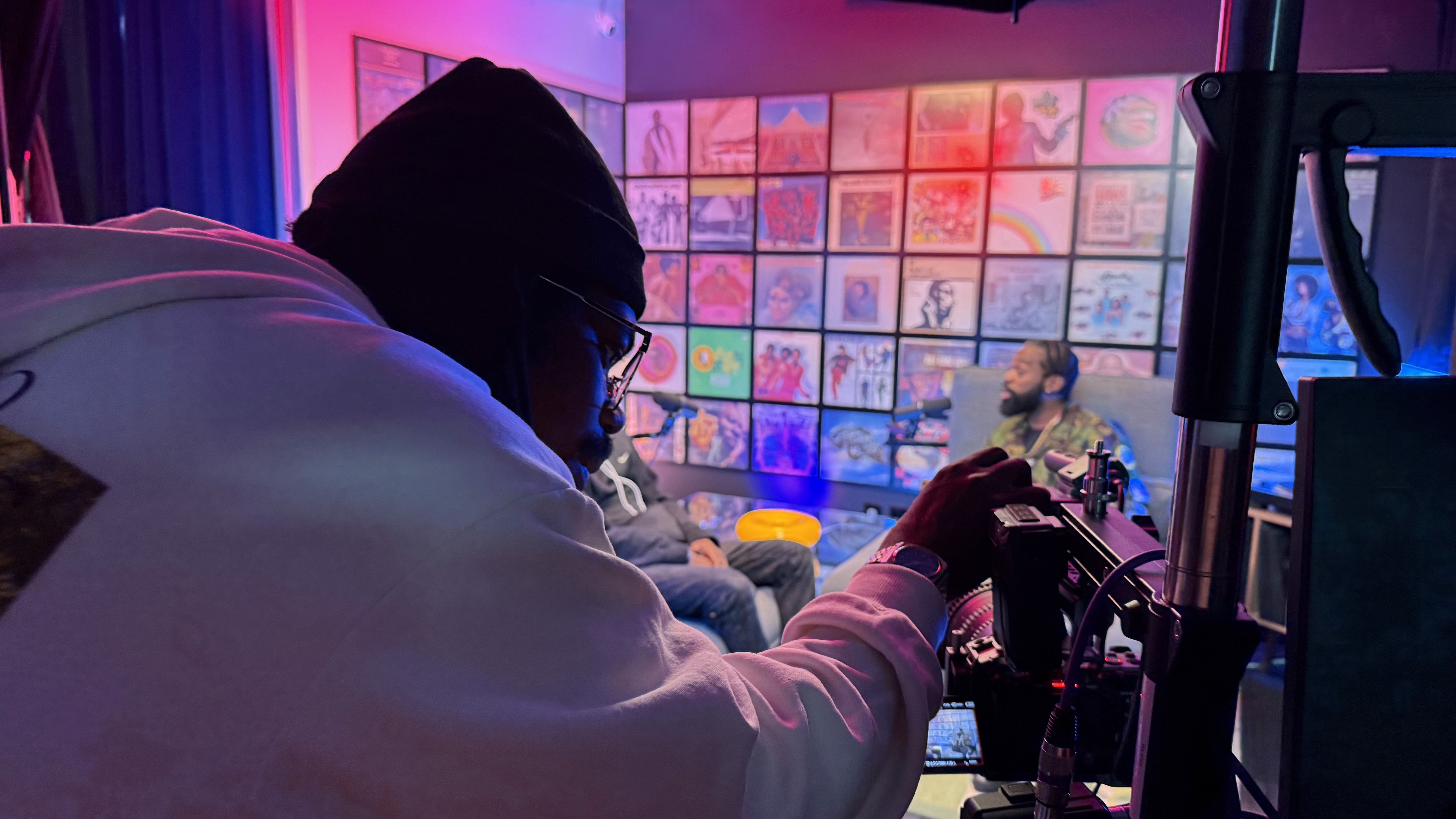
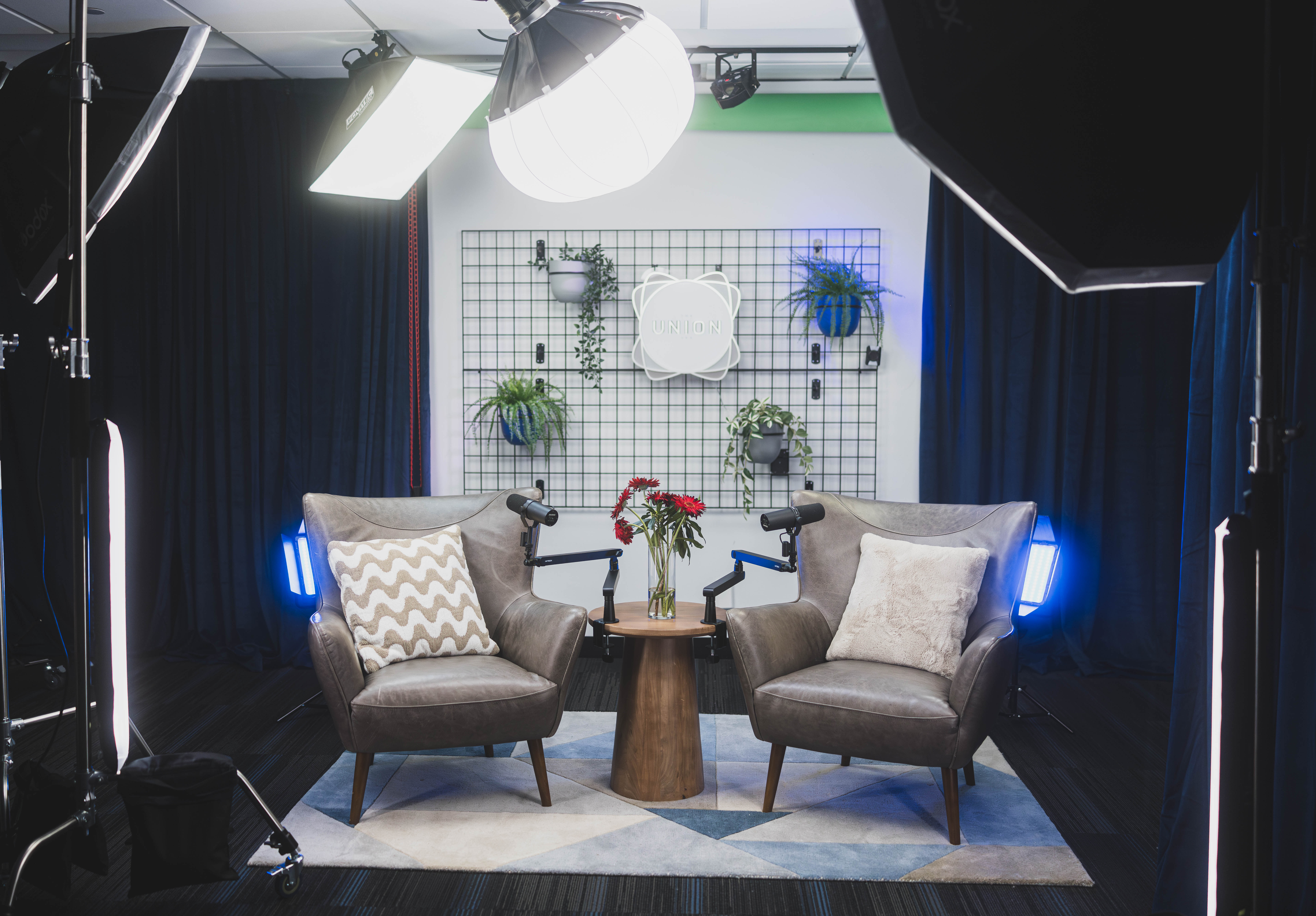
Positioning also shapes how your show looks and sounds. A teacher-meets-parent warmth might suit a cozy, conversational set. When Tasha eventually tours the studio, she'll want to compare sets in the Blue Pill studio, such as The Cove, with the sets in the Red Pill studio. The Union's production team also does custom set design (backdrops, lighting setups, furniture layouts and visual themes), which matters if she adds video later. No need to decide now; just notice that your lane carries into every choice ahead.
A real-world note
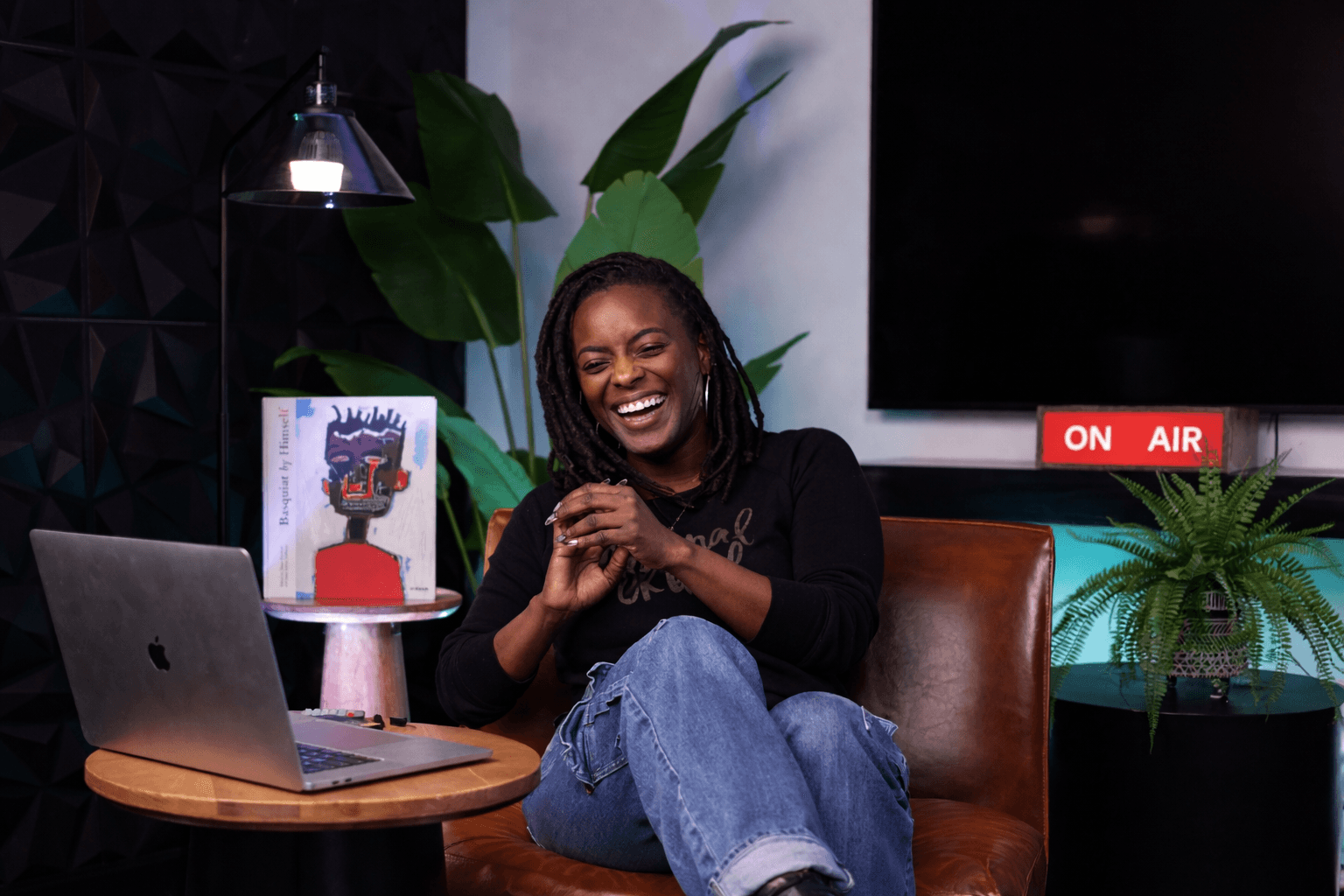
You can hear the value of a clear lane in shows recorded at The Union. Member Jolyn GC records her podcast Wealth Rituals there, and she co-hosts The Come Up Series on YouTube. A title like Wealth Rituals tells a potential listener a lot in two words. That's the kind of clarity you're aiming for.
Your niche and audience checklist
Work through these in order before moving to format decisions:
Write a one-paragraph listener persona focused on situation, with a name.
Separate your listener from your subject if they're different people.
Fill in a four-column pain point map with at least four rows.
Interview five to ten people who match your persona and record their exact words.
Send a short survey to confirm patterns and collect episode ideas.
Listen to three episodes each from five similar shows and note the gaps.
Draft a positioning statement using the template above.
Test the statement on three people in your audience: do they say "that's me"?
Revise your persona, pain points and positioning based on what you learned.
Common mistakes to avoid
Defining the audience as "everyone who likes X." Interest alone is too broad. Add a situation or a stage of life.
Skipping real conversations. Your assumptions will be partly wrong. Ten conversations will show you where.
Using expert language. If your audience says "why questions," don't title episodes "inquiry-based learning."
Chasing a niche you don't care about. A gap in the market only works if you can fill it for years. Tasha's lane fits because she answers kid questions all day.
Treating the persona as permanent. Revisit it after your first ten episodes, once you have listener feedback and download data.
Going so narrow nobody exists. "Parents of left-handed 9-year-olds in Ballard who love volcanoes" is too far. Your niche should describe a group you could find dozens of people from in a week.
Do this this week
Set aside about three hours total:
Day 1 (30 minutes): Write your listener persona and your four-column pain point map.
Days 2 to 5 (about two hours): Hold at least three 15-minute interviews. Use a quiet meeting room, a coffee shop or a video call. Write down exact phrases.
Day 6 (30 minutes): Draft your positioning statement and read it aloud to one person in your target audience. Watch their face.
If you'd like to do your interviews somewhere that also introduces you to Seattle's creative community, book a visit to The Union; guests are welcome by appointment from 9 AM to 5 PM on weekdays. You don't need gear, a finished concept or a recording plan to start. You just need to show up curious, which, as Tasha would tell you, is the whole point.
Coming up next
In Part 3, Choosing Format & Cadence, Tasha uses everything she learned about Maya's commute and bedtime routine to decide on episode length, solo versus co-hosted, and how often to publish without burning out.
Start your story at The Union
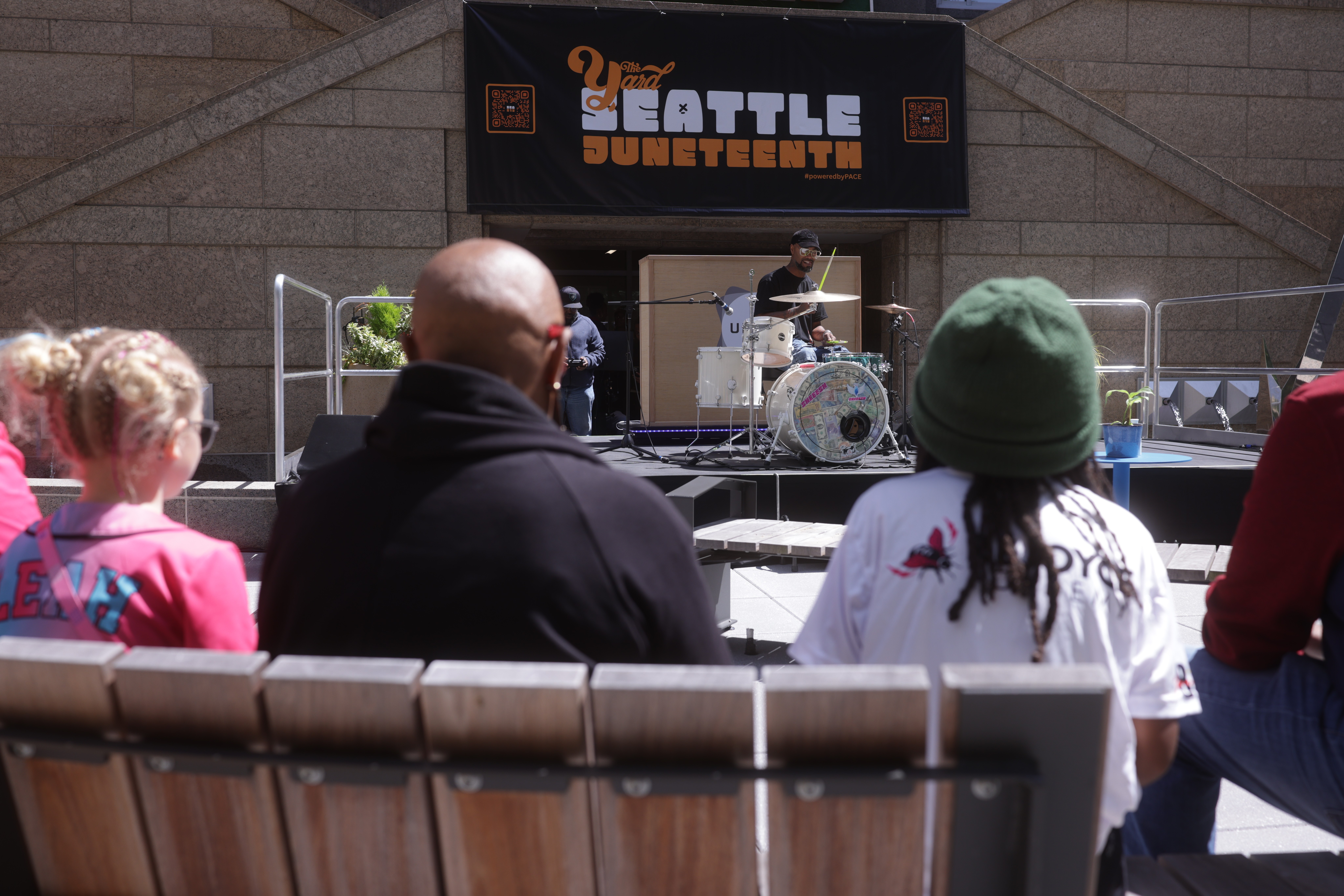
The Union opened its doors on Juneteenth 2018 as a nonprofit program of PACE, and every booking helps fund residencies, fellowships and education programs, subsidizes reduced-cost use for partner community nonprofits, and provides free access to individuals who meet grant requirements. When you build your show here, you're part of that ecosystem.
If you're still in the research stage like Tasha, the CoMmunity membership ($50/month, no sign-up fee, cancel anytime) gets you event access, discounted meeting space and discounted consultations. When you're ready to record, the CoCreate Podcast membership ($300/month, $100 sign-up fee, 2-month commitment) opens the media lab for DIY and full-service productions. CoCreate currently has a waitlist of about a month, so it's smart to get in line while you sharpen your niche. You can also book the studio as a guest by appointment, no membership required.
Want a second set of eyes on your listener persona, or a walkthrough of the Blue Pill and Red Pill studios? Email contact@theunion.io, call 206-551-0964, book the studio as a guest, or apply for membership. We're at 1200 2nd Ave in downtown Seattle, and we'd love to hear who your show is for.
The full series
This is Part 2 of 24 in Starting a Podcast at The Union (Content Strategy stage). Previous: Part 1, From Sticky Note to Show Idea: Finding Your Podcast Concept. Next: Part 3, Interview, Solo, or Story? Choosing Your Podcast Format and Schedule.